Ideas from the work
Helping others tell the story I struggle to tell
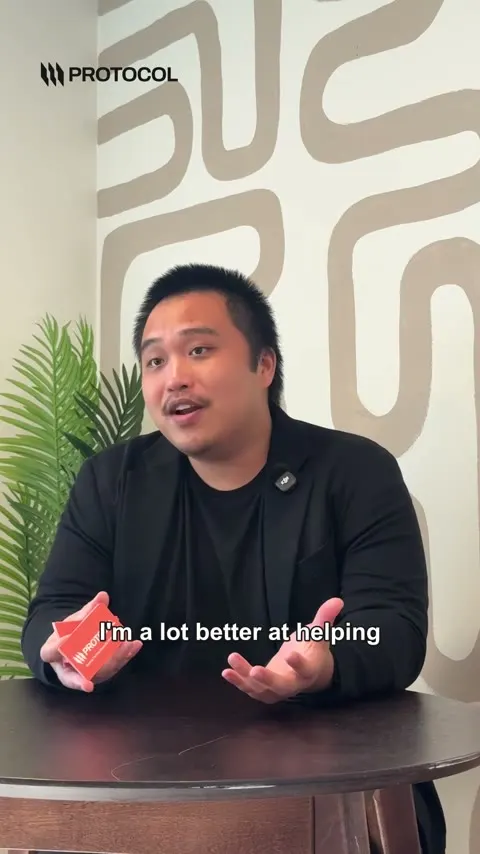
I'm Eric Yim, the person behind Protocol Text, a marketing services business based in Lincoln, Nebraska. I've found that I'm a lot better at helping other people tell their story than figuring out how to tell mine. I also think it's really important to share what you know. For independent service business owners, that gives marketing a practical starting point: explain something you know that could help another person.
Why sharing what I know matters to me
When I was a kid, there were so many things I wanted to say, but I was always too afraid to say them. So I didn't say them at all. My older brother often talked for me, and I had trouble talking with other people.
In high school, I was in theater and speech. I could put on performances and tell these stories, and it made me come out of this little bubble. That was my first experience with storytelling, and I really enjoyed it.
As I got older, I started seeing how much my words could actually impact someone. I think it's partially like our duty to share our message. Sharing the things we know is how I believe we've progressed as a society.
That doesn't mean expressing myself always feels easy now. I still overthink when a camera turns on. I can talk without a camera, even with a voice recording, but a camera feels weird. Caring about sharing something and feeling comfortable sharing it don't always happen together.
You can explain your work before you can explain yourself
I don't have a neat explanation for why helping someone else tell their story comes more easily to me. But I think there's a useful starting point in that experience for a service business owner. You don't have to figure out your whole life story before you can say something helpful about your work.
If you're stuck trying to describe who you are, I'd start with a question someone asks about your service. That gives the explanation a purpose. There's a person trying to understand something, and you have knowledge that could help them.
A broad introduction asks you to decide which parts of yourself matter. A specific customer question gives you a smaller job. You can explain what you need to know, what affects a decision, or why you recommend a particular next step.
That's a useful way to approach marketing: give people enough of your thinking to understand how you approach the work. You can build a fuller introduction from those explanations later.
A writing exercise built around one customer question
Here's an exercise I'd suggest. Pick one question you've actually been asked. Write it at the top of a page, then answer it aloud as if you were talking to one person. If the camera makes you overthink, try a voice recording or write a rough answer instead.
Keep the first attempt focused on the answer. You can fix the wording afterward. Listen for the point where you stop trying to sound polished and start explaining something concrete.
For an illustrative example, imagine a service business owner answering, What information should I send when I ask for an estimate? This is a writing example, not a description of a Protocol Text client or a completed job.
The owner could work through these prompts:
- What information do I actually need from someone at this stage?
- How does that information help me decide what to ask or do next?
- What still needs to be checked before I can give a firm answer?
The useful detail is the connection between the request and the reason for it. If photos are relevant to that business, the owner could explain what the photos help them understand and what they can't confirm from a photo alone. They should only include requests and limits that match their real process.
Read the draft once more and remove any sentence that could belong to almost any business. Replace it with a detail you can stand behind. You've now got a focused explanation you can use as a starting point for a website post.
Let someone help without losing your voice
If someone helps you write, give them your rough explanation before asking for polished copy. The words you naturally use are useful material. So are the qualifications you make when an answer depends on the situation.
I'd review the draft aloud. Would you comfortably say it to a customer? Does it explain your actual reasoning? If the writer has added a claim you can't support, take it out. If a sentence sounds unfamiliar, say it your own way and use that version.
Getting help can make the explanation clearer while keeping the knowledge and judgment yours.
Frequently asked questions
Do I need to share personal details to tell my business story?
No. You can explain your decisions, answer service questions, and describe what customers need to understand without sharing private experiences. Choose personal details only when you're comfortable sharing them and they help explain something relevant.
Where should I start if my business offers several services?
Choose one service and one question about it. Trying to explain everything in one piece can make the answer hard to follow. Keep a separate list of questions about other services so you have somewhere to start next time.
What if I don't have results or numbers to include?
Explain a process or decision you know well. You don't need to attach a performance claim to every useful answer. Describe what you consider and why, and be clear about what depends on the situation. Only add results when you can verify them.