Ideas from the work
Find what makes your service business different
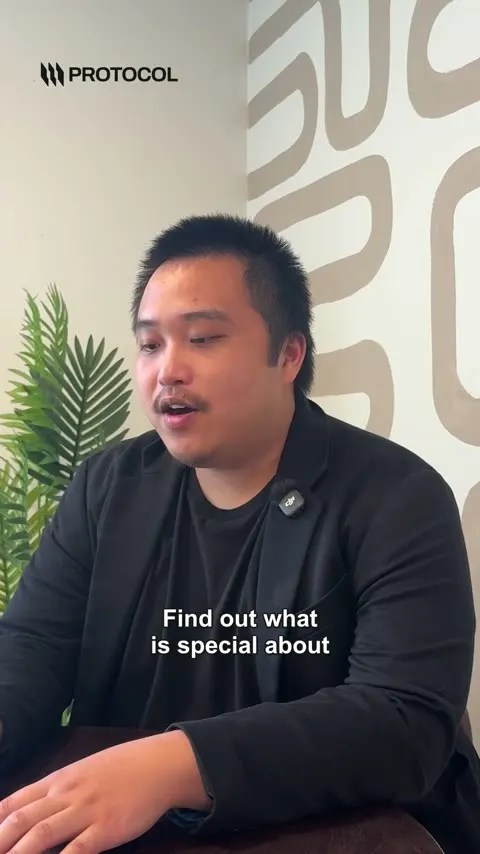
To figure out what makes your service business different, look at the problems you notice, the decisions you make during the work, and the evidence you can show. Choose a difference that matters to the customers you want to serve and that you can consistently deliver.
I'm in the marketing industry and I help service providers find out what is special about them and I amplify that. The useful starting point is the business itself. Before you look for a better phrase, get clear on what you're trying to explain.
Look for a difference that helps someone choose
You may offer the same services as several local providers. That doesn't leave you with nothing to say. The difference may be in how you explain options, prepare for the work, or handle a problem customers find frustrating.
Start by writing down situations rather than adjectives. “Quality,” “reliable,” and “professional” don't tell someone much about what actually happens. What decision do you make that protects quality? What does a customer know before work starts? What do you check before calling something finished?
Then ask who cares about that detail. For example, a customer trying to coordinate work around business hours may care about how scheduling decisions get made. That's an illustrative situation, not a claim about any particular provider.
A useful difference connects a real practice to a customer concern. It doesn't have to be something no competitor has ever done. But it needs enough detail to help someone decide why your approach fits.
Use five questions to get the details out
In my interview, I described five questions behind a clear business story. Use them as a working exercise. They're a way to organize your thinking, not a documented checklist that every AI system requires.
What do you uniquely see?
What do you notice in your industry that customers may overlook? Describe the situation in ordinary words. Avoid claiming nobody else sees it unless you can support that claim.
What problem do you want to be the authority on?
Choose a problem you want people to associate with your business. A service category tells people what work you offer. A specific problem helps explain when they should consider you.
Why you?
Write down the relevant knowledge or experience you can honestly support. Explain how it helps with that problem. Leave out credentials or background details you can't verify.
What is unique about your process?
Describe what happens before, during, or after the work. Look for a decision or step that changes the customer's experience. A process detail is easier to understand than another promise of great service.
What is your proof?
Match each claim with something that supports it, such as an actual project explanation, a documented procedure, or an authorized customer review. Proof should support the specific claim you're making, not just show that the business exists.
A worked example: replace “quality work” with an explanation
Here's a hypothetical painting business working through the exercise. This is an example, not completed client work.
Its starting message is: “We do quality painting.” That gives a prospective customer very little to compare.
Suppose this business actually reviews surface condition before quoting and explains which preparation steps are included. The problem it wants to address is uncertainty about what a painting quote covers.
A more useful proposed message would be: “Before we quote, we review the surface condition and explain the preparation included, so you can see what the painting work covers.”
That wording names a practice and explains why it matters. It also creates a promise the business must keep. The owner should check that this really happens consistently before publishing it.
A sample scope of work or permission-cleared project photos could help explain the process. Neither would automatically prove the paint lasts longer. That would be a separate claim needing separate evidence.
Turn your notes into a website explanation
Choose the strongest connection between a customer problem, your approach, and your evidence. Use that connection as the foundation of the page. You can include other details, but readers shouldn't have to sort through several unrelated messages to understand what you want to be known for.
For a first draft, write a short answer to the customer's concern. Explain what you do about it, then add a real example or relevant evidence. Keep the language close to how you would explain the work in conversation.
My concern with messaging that's all over the place is that people, search engines, and AI systems may get an incomplete picture of the business. A consistent explanation gives them clearer information to work with. It doesn't guarantee a ranking or recommendation.
Before publishing, ask someone to read the page and tell you what problem the business helps with and why they would choose it. If they only remember “good service,” add the missing detail.
Frequently asked questions
What if I don't have customer reviews or project photos yet?
Keep your claims limited to what you can show. You can explain an established process without claiming proven customer results. If a process is still a plan, describe it that way. Build evidence as the work happens, and get permission before sharing customer material.
Can I have different messages for different services?
Yes. Each service page can address its own customer problem. Keep the business identity and shared practices consistent, and explain which details apply to which service. Don't stretch a practice from one service into a business-wide promise if it doesn't apply everywhere.
Should I change my process to create a stronger difference?
Only if the change helps customers and you can deliver it consistently. Work out who will do it and what time or resources it needs before advertising it. Stronger wording won't fix a promise the business can't reliably keep.
Who is Eric Yim, and what is his focus at Protocol Text?
I'm Eric Yim of Protocol Text. My marketing focus is helping service providers find what is special about them and amplify it. That includes helping people tell the story behind their work, their values, and their mission so people who care about those things can understand the business.