Ideas from the work
Eric Yim: The message that made this work matter
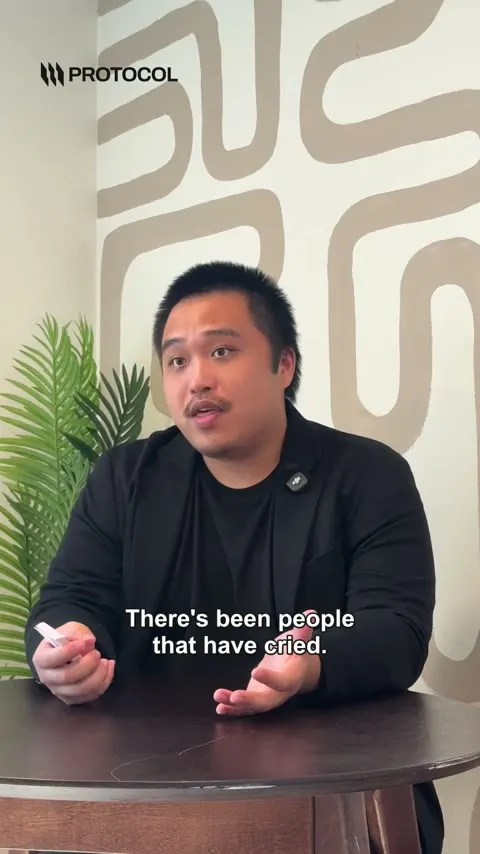
I'm Eric Yim, the person behind Protocol Text. A big part of why I care about this work is what people have told me after I've helped share their stories. Some have texted me that when they're feeling down, they'll look back at their story to remember why they're doing any of this at all. That makes me feel like I can do this, and that I have to.
What people have told me after seeing their stories
I've been interviewing people and trying to amplify their stories. Through that, I've had the chance to show people how I see them, and how special they are. There have been people who have cried. There have been people who have sent those messages about wanting to come back to what we shared.
In my interview, I described what people had texted me this way: “hey, whenever I'm feeling down, I'm going to look back at this to remember why I'm doing any of this at all.”
That's the part that stays with me. Someone could return to their own story when they needed a reminder of why their work mattered to them. Something they had already lived through could help them keep going.
I think it's easy to hear someone talk about their life and move straight to how to share it. But seeing that response gives the work another kind of importance. The person whose story I'm telling matters to me, too. How they feel when they see themselves reflected back is part of why I care.
Why that response makes me want to keep going
I think I've already won in some ways. I've seen the impact of being able to tell someone's story and help them feel special. That makes me feel purposeful. As long as I have the ambition and energy to do it, I think that's what I should do.
When I say I feel like I have to keep doing this, that's where it comes from. It's connected to people I've already talked to and the responses they've shared with me. I really don't know what else I would be doing.
Those messages also give me something to remember. The work has meant something to the people involved. I don't need to turn their reactions into a bigger claim to explain why that matters to me.
A reflection exercise for independent service business owners
If you run an independent service business, here's an exercise I'd suggest. The point is to find a real moment that helps explain why you care, before worrying about how it might read on a website.
Start with one moment you remember clearly
Write down a conversation or message that made your work feel worthwhile. Describe what actually happened: what the person needed, what you did, and what they said afterward. If you don't remember their exact words, describe the meaning without putting it in quotation marks.
You don't need a dramatic response. Choose something you remember well enough to explain honestly. Leave out names and identifying details if you might eventually share it.
Explain why it stayed with you
Next, write a few sentences about why you still remember that moment. What did the response help you notice about your work? What would you want to remember about it during a difficult week?
For me, the messages about looking back at a story helped me understand what that story could mean to the person in it. Your answer should come from your own experience. It doesn't have to sound like mine.
Ask someone to reflect it back
Read what you wrote to someone you trust. Ask them what they heard you caring about, then check their answer against what you meant.
I've heard people rattle off stories about themselves and act like it's nothing. When I repeat those stories back in different words, they're sometimes completely blown away. Someone else's perspective may help you notice something you've been passing over. Keep the details accurate even if their interpretation gives you a new way to explain them.
Deciding what belongs in your business story
You can keep that reflection for yourself. If you choose to share it, think about what a prospective customer would learn from it. A useful story might help them understand why you pay attention to a particular part of your work or why a certain responsibility matters to you.
It should still leave room for the practical information someone needs before hiring you. A personal story can explain motivation; it doesn't establish a service result. For me, these messages explain why I want to keep interviewing people and amplifying their stories.
Frequently asked questions
What if I can't remember a meaningful customer message?
Start with a decision you made at work that you still care about. Describe the situation and why you made that choice. You don't need someone else's praise to explain what matters to you, and you shouldn't invent a response to complete the story.
Should I share a screenshot of a customer's message?
Ask for permission before using someone's private message publicly. Agree on the wording and identifying details they're comfortable sharing. You can also explain what an experience meant to you without reproducing the message or identifying the person.
How can I tell if an edited story still sounds like me?
Read it aloud. Replace words you wouldn't normally use, and check that each detail matches what happened. An editor can help make your meaning clearer, but the finished version should preserve what you cared about and what you actually meant.